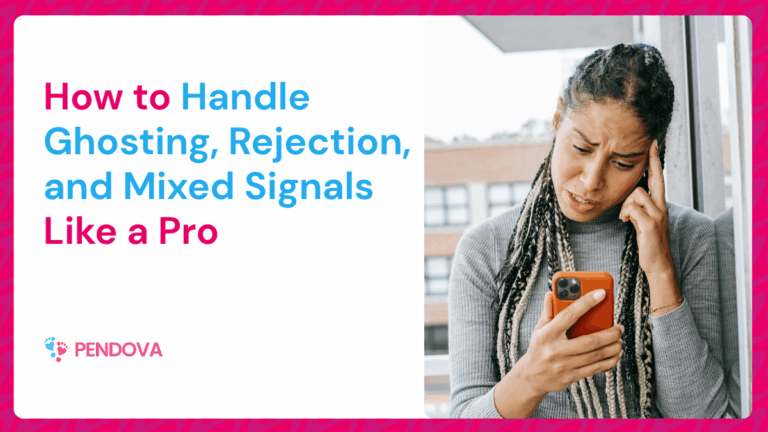

How to Avoid Toxic Relationships Early

At the beginning of a relationship, everything feels exciting and full of possibility. You enjoy the attention, the messages, the late-night conversations, and the feeling that someone finally “gets” you. It feels special. It feels different. And sometimes, it feels too good to question.
But toxic relationships rarely begin with obvious warning signs. They don’t start with shouting, manipulation, or emotional pain. They often begin with charm, intensity, and strong attraction. Slowly, small, uncomfortable moments start appearing. You may ignore them because you don’t want to overthink or ruin something that feels promising.
What Is a Toxic Relationship?
A toxic relationship is not simply one where couples argue or disagree. Disagreements are part of any normal relationship. A toxic relationship is one where you consistently feel disrespected, manipulated, anxious, or emotionally unsafe. Instead of feeling supported, you feel controlled. Instead of feeling secure, you feel confused.
In a healthy relationship, both people can express their opinions without fear. Conflicts are discussed with the intention of understanding and solving. There is mutual respect even during disagreements. In a toxic relationship, however, problems repeat without resolution. One person may dominate, blame, criticize, or manipulate the other.
Early Warning Signs You Should Never Ignore
1. Love Bombing at the Start
Love bombing feels magical at first. Someone showers you with compliments, constant messages, expensive gifts, and big promises about the future. They might talk about moving in together or getting married within weeks. It feels intense and passionate.
However, real love develops gradually. When someone pushes for deep emotional commitment too quickly, it may be a way to create dependency. The intensity can make you attached before you truly know them. Later, once they feel secure in your attachment, their behavior may change completely. What felt like affection may turn into control or withdrawal. Healthy relationships grow steadily over time. They do not pressure you to rush emotional intimacy.
2. Controlling Behavior Disguised as “Care.”
Control rarely shows itself openly in the beginning. Instead, it may appear as a concern. They may question where you are, who you are with, or why you did not reply immediately. At first, it might feel like they simply care about you deeply.
Over time, this concern can become a restriction. They may criticize your friends, discourage you from spending time with family, or question your clothing choices. You may notice that you are adjusting your behavior to avoid their jealousy or anger. True care respects your individuality. If someone tries to reduce your independence under the excuse of love, that is a warning sign that should not be ignored.
3. Constant Criticism and Subtle Put-Downs
In the early stages, criticism may be subtle. They may tease you about your appearance or make sarcastic comments about your job or dreams. If you express hurt, they might say you are too sensitive or that they were “just joking.”
Over time, repeated criticism affects your self-esteem. You may begin doubting your worth or feeling lucky that they are even with you. This imbalance creates emotional dependence. A healthy partner encourages growth and supports your confidence. If someone constantly highlights your flaws instead of your strengths, that behavior will likely grow worse with time.
4. Gaslighting
Gaslighting is a form of emotional manipulation that makes you question your reality. If you bring up something that hurt you, they may deny it ever happened. They might twist situations so that you feel responsible for their mistakes. Gradually, you start second-guessing your own memory and feelings.
This creates confusion and emotional instability. You may apologize for things that were not your fault. You may feel guilty for having normal emotional reactions. Trust in a relationship should strengthen your sense of reality, not weaken it. If you constantly feel confused after arguments, it may be more than a simple misunderstanding.
5. Emotional Unavailability
Some partners show intense affection one day and distance themselves the next. This unpredictable behavior keeps you emotionally off balance. You may work harder to gain their attention or approval.
Emotional unavailability can look like avoiding serious conversations, refusing to define the relationship, or shutting down whenever conflict arises. You might feel that you are investing more effort than they are. Consistency is one of the strongest signs of emotional maturity. When affection and effort are unstable, it creates insecurity and emotional exhaustion.
Why We Ignore Red Flags
Ignoring red flags does not mean you are weak. It means you are human. Emotional attachment can cloud judgment, especially when you truly want the relationship to succeed. Sometimes, fear of loneliness makes people tolerate unhealthy behavior. The thought of starting over feels overwhelming. Low self-esteem can also play a role. If someone does not believe they deserve better, they may accept treatment that falls below healthy standards.
There is also something called trauma bonding, where emotional highs and lows create a strong attachment. The cycle of affection followed by withdrawal can feel addictive. You may hold onto the good moments and minimize the bad ones. Understanding these psychological patterns helps you make more conscious decisions instead of emotional ones.
How to Protect Yourself Early in Dating
1. Take It Slow
Moving slowly allows you to observe patterns clearly. Strong emotions can hide incompatibility or manipulation. When you give the relationship time, you see how the other person behaves in different situations. True character shows during stress, disagreement, and everyday routines. Rushing major commitments early often increases emotional dependency before trust is fully built.
2. Set Clear Boundaries
Boundaries define what behavior you will and will not accept. Communicating them early creates a healthy structure. If someone respects your limits, it shows emotional maturity. If they react with anger or guilt-tripping, that reaction itself is valuable information. Boundaries are not about controlling others. They are about protecting your emotional well-being.
3. Watch Actions, Not Just Words
Anyone can apologize. Anyone can promise change. The real question is whether their behavior improves consistently. Pay attention to repeated patterns instead of temporary effort. Consistency builds trust. Repetition of harmful behavior breaks it.
4. Maintain Your Independence
When you keep your hobbies, friendships, and personal goals active, you reduce emotional dependency. A balanced life makes it easier to recognize unhealthy dynamics because your world does not revolve around one person. Independence strengthens confidence and decision-making.
5. Trust Your Gut Feeling
Your intuition often notices discomfort before your mind can explain it. If you feel uneasy, anxious, or tense around someone regularly, do not dismiss that feeling. Emotional safety feels calm and secure, not confusing and unstable. Listening to your instincts is one of the strongest forms of self-protection.
Questions to Ask Yourself in the First 3 Months
The early months reveal important patterns. Ask yourself whether you feel safe expressing your thoughts without fear of anger or punishment. Notice whether you feel relaxed or constantly worried about saying the wrong thing.
Reflect on whether the relationship adds peace to your life or increases stress. Consider whether you feel supported in your goals or subtly discouraged. Honest self-reflection provides clarity when emotions feel overwhelming.
What to Do If You Notice Toxic Signs Early
When you recognize unhealthy patterns, do not ignore them. Acknowledge your feelings instead of minimizing them. Communicate clearly and calmly about your concerns. Observe their response. A healthy partner will listen and try to improve. A toxic partner will deflect blame or dismiss your concerns. Seek outside perspective if needed. Sometimes friends or family can see patterns more clearly than we can. Taking action early prevents deeper emotional entanglement.
How to Leave Before It Gets Worse
Leaving early can be emotionally difficult but mentally freeing. The longer you stay in a toxic environment, the more attached you may become. Start by strengthening your support system and reconnecting with your independence. Ending contact may be necessary if manipulation continues. Protecting your peace is not selfish. It is responsible self-care. Choosing to leave does not mean you failed. It means you value your emotional health.
Healthy Relationship Green Flags to Look For
Healthy relationships feel stable and secure. You feel comfortable being yourself without fear of criticism. Communication is open and respectful. Mistakes are acknowledged instead of denied. A supportive partner celebrates your achievements and encourages your growth. They remain consistent in words and actions. You feel emotionally safe sharing your vulnerabilities. Green flags may feel less dramatic than toxic intensity, but they create long-term happiness.
Final Thoughts
You deserve a relationship where you feel respected, valued, and emotionally secure. Love should not make you question your worth or sanity. It should not create constant anxiety. Toxic relationships often start with excitement but gradually replace it with stress. Recognizing early signs gives you power. It allows you to make conscious choices instead of reactive ones. Choosing emotional safety over temporary intensity is a sign of maturity and self-respect. The right relationship will never require you to sacrifice your peace.
Download Pendova on the Google PlayStore:

iOS Users can access the Pendova app on web.pendova.com
Follow our Social Media: